Heroin Addiction Redlands
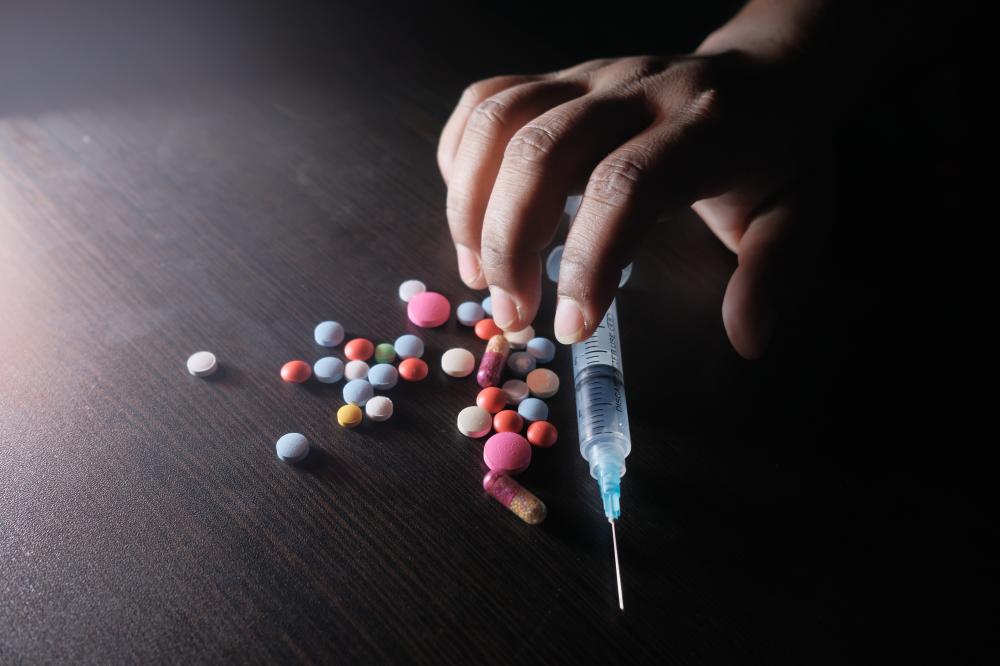
Heroin Addiction Treatment in Redlands Explained
Impact of Heroin Addiction in Redlands
Why is Heroin Addiction in Redlands Prevalent?
Treatment Options in Redlands
How to Help a Loved One with Heroin Addiction in Redlands
- Educate Yourself: Gain a comprehensive understanding of addiction to better support your loved one. Knowledge empowers you to offer informed assistance.
- Communicate Openly: Approach conversations with empathy and without judgement. Encourage open dialogue about addiction and treatment options.
- Seek Professional Help: Encourage your loved one to consult with professionals at Benchmark Transitions or similar organizations for guidance.
- Participate in Support Programs: Family therapy or support groups can provide additional learning and coping techniques.
- Set Boundaries: Establish clear limits to protect your well-being while promoting your loved one’s path to recovery.
What Are the Signs of Heroin Addiction?
Overcoming Heroin Addiction: Redlands’ Community Efforts
What percent of heroin addicts recover?
Recovery from heroin addiction is a challenging journey and the success rates can vary significantly. Approximately 40 to 60 percent of individuals with substance use disorders achieve significant long-term recovery, according to studies in addiction medicine. However, it’s crucial to note that recovery is a personal experience and success isn’t solely measured by abstinence. At Benchmark Transitions, we emphasize the importance of individualized treatment plans that address both addiction and underlying mental health issues. Recovery encompasses improved quality of life, healthier relationships, and overall well-being, which can look different for everyone. It’s important to remember that relapse is a common part of the process and not a failure, but rather an opportunity to adjust treatment strategies.
How to flush your system for a drug test?
Attempting to flush substances from your system quickly can be risky and is unlikely to be effective. Heroin and its metabolites can linger in the body for varying periods depending on numerous factors such as the frequency of use, metabolism, and overall health. Instead of focusing on quick fixes, the best approach is to seek professional help to address substance use issues. At Benchmark Transitions, we provide a safe environment for detoxification, which is medically supervised to ensure safety and comfort. If you’re facing a drug test and struggling with addiction, consider using this as an opportunity to pursue comprehensive treatment and support for recovery.
Will an addict ever change?
Change is absolutely possible for individuals struggling with addiction. At Benchmark Transitions, we see transformations every day, where individuals move from dependency to a more fulfilling and healthy lifestyle. It’s essential to understand that change often requires time, patience, and continuous support. Recovery is a journey with ups and downs, and what helps is a strong support system, effective treatment programs, and a personal commitment to change. The right environment and professional guidance can empower individuals to rediscover their strengths and make positive, lasting changes. If you or a loved one is struggling, reaching out for help can be the first step toward change.
What is the most common support group for addicts?
One of the most well-known support groups for individuals recovering from addiction is Narcotics Anonymous (NA). This group provides a platform for people to share their experiences, challenges, and triumphs in a supportive and non-judgmental environment. NA follows a 12-step program similar to Alcoholics Anonymous (AA), focusing on spiritual growth and personal accountability. At Benchmark Transitions, we encourage participation in such support groups as a complementary part of the recovery process, as they can provide a sense of community and ongoing motivation. Whether through NA or other local support networks, finding the right group can be a pivotal part of a successful recovery journey.
How can community efforts help in combating heroin addiction?
Community initiatives play a crucial role in addressing heroin addiction. These efforts can include public education campaigns to raise awareness about the risks and realities of addiction, providing accessible support services, and reducing stigma associated with seeking help. In Redlands, community organizations and healthcare professionals collaborate to offer resources, workshops, and programs that promote prevention and recovery. At Benchmark Transitions, we believe in the power of community to create an environment where individuals feel supported in their recovery. Engaging with community programs can provide valuable connections and enhance the support network for those affected by heroin addiction.
What are effective treatment strategies for heroin addiction?
Effective treatment for heroin addiction typically involves a combination of medical and therapeutic approaches. At Benchmark Transitions, we start with detoxification under medical supervision to manage withdrawal symptoms safely. This is often followed by residential treatment, where individuals receive structured therapy and support to address the root causes of addiction. Outpatient programs can offer ongoing support as individuals transition back to their daily lives. Incorporating holistic practices like yoga and mindfulness can also support recovery by promoting overall well-being. A comprehensive, individualized treatment plan is essential for addressing both the addiction and any co-occurring mental health disorders.
How to support a loved one struggling with heroin addiction?
Supporting a loved one with heroin addiction can be challenging, but your involvement can make a significant difference. Start by educating yourself about addiction to better understand what they’re going through. Open and empathetic communication can encourage your loved one to share their experiences and consider treatment options. Suggest or accompany them to professional counseling sessions or support groups like those offered at Benchmark Transitions. Importantly, set healthy boundaries to protect yourself and offer encouragement for their recovery journey. Participating in family therapy can also provide additional coping strategies and strengthen relationships as your loved one navigates their path to recovery.
Resources
- Centers for Disease Control and Prevention – The CDC is a leading national public health institute dedicated to protecting the health of Americans and promoting public health initiatives.
- Substance Abuse and Mental Health Services Administration – SAMHSA is a government agency leading efforts to reduce the impact of substance abuse and mental illness on America’s communities.
- National Institutes of Health – NIH is the nation’s medical research agency, supporting scientific studies on a wide range of health topics, including addiction.
- National Institute on Drug Abuse – NIDA is a research-focused organization dedicated to addressing the causes and consequences of drug use and addiction.
- Mayo Clinic – The Mayo Clinic is a nonprofit academic medical center renowned for its expert care, research, and education in various health fields, including addiction treatment.